POS System vs Cash Register: What Changes for a Sri Lankan Shop
A cash register records money. A POS system records the business. Here is the honest comparison, including where a register is still fine.
Related product page: /pos-system

They are not competing at the same job
A cash register does one thing well: it totals a sale, opens a drawer and prints a slip. If that is genuinely all you need, a register is cheap, fast and requires no internet.
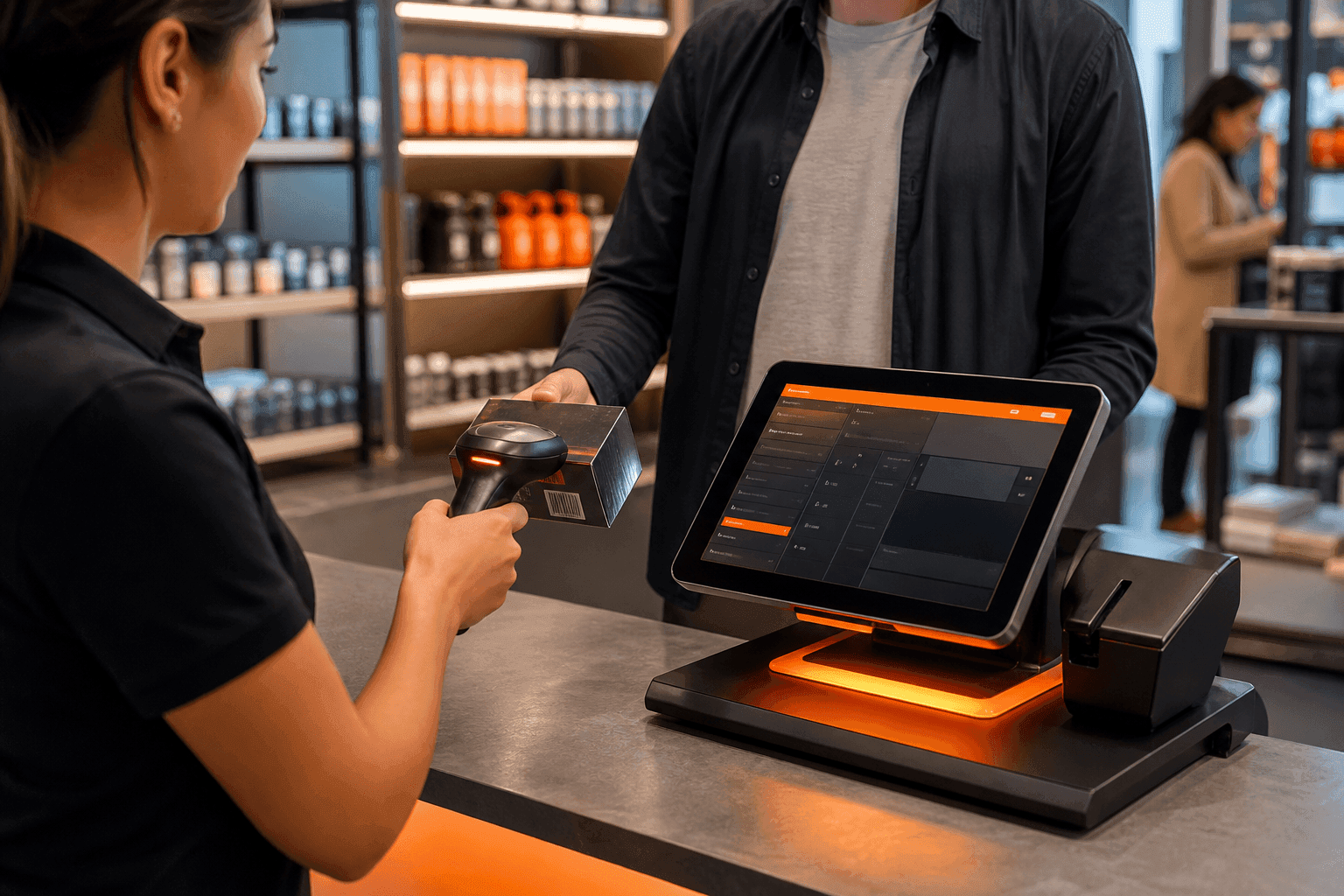
A POS system does that too, but the billing is a side effect. What it is really doing is recording what was sold, from which stock, at what cost, by which staff member, to which customer — and updating everything downstream automatically.
The question is not which is better. It is whether the information a register cannot give you is worth anything to your business.
What a cash register cannot tell you
By the end of a month on a register, here is what you still do not know:
- What your actual gross profit was — you know sales, not cost of goods sold.
- Which twenty products made most of your money, and which forty are dead weight.
- What is genuinely on the shelf right now, without physically counting it.
- Which staff member gave which discounts.
- Which customers owe you money and for how long.
- Whether the cash in the drawer matches what should be there, and where the gap came from.
The four things that change on week one
Shops moving from a register to a POS notice the same four changes almost immediately.
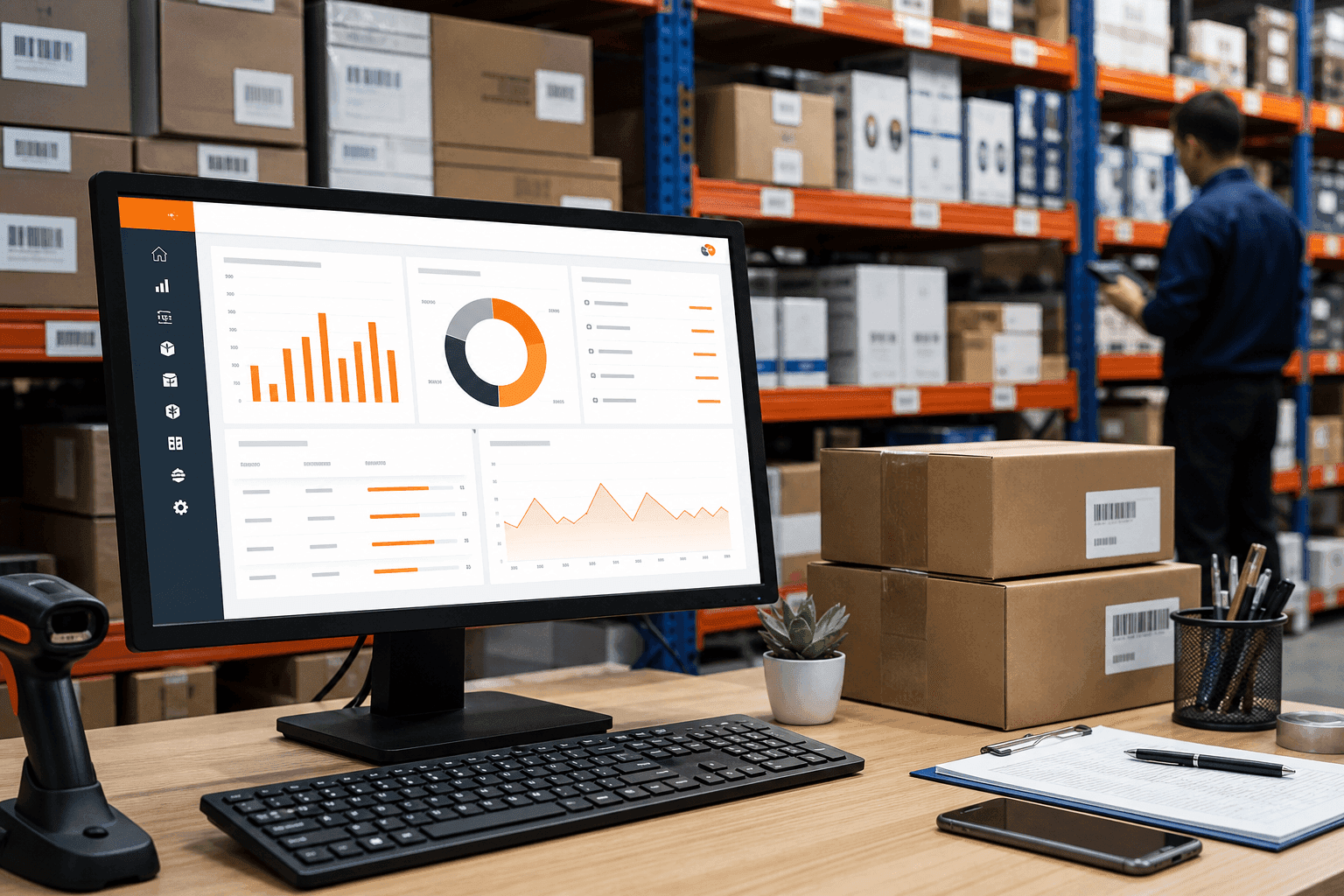
Stock becomes visible — every sale decrements the right item, so "do we have it?" stops being a walk to the back room. Profit becomes real — cost sits behind every line, so the daily number is margin rather than turnover. Staff accountability appears — discounts, voids and refunds carry a name. And month-end shortens dramatically, because the data was captured as it happened instead of being reconstructed afterwards.
The honest downsides
A POS costs more than a register, both upfront and monthly. Cloud systems need a working internet connection to bill. Staff need training, and the first two weeks are slower, not faster. Product data has to be entered properly once — a shop with 4,000 unbarcoded items has real setup work to do.
And a POS entered carelessly is worse than a register, because it produces confident reports built on wrong data. Garbage in, confidently formatted garbage out.
When a register is still the right answer
It genuinely is, for some shops. A single-owner stall with under a hundred items, no staff, no credit customers, no deliveries and no ambition to open a second location will not get its money back from a POS.
The moment any one of those changes — you hire someone, you add a second location, you start giving credit, you begin taking WhatsApp orders, or your item count passes a few hundred — the maths flips quickly.
How to decide in ten minutes
Try answering these from your current setup, right now, without counting anything: What was last month's gross profit? Which item earned you the most? How much do customers owe you? How many of your top-selling item are on the shelf?
If you can answer all four confidently, your register is doing its job. If you cannot answer any of them, you are not being asked to buy software — you are being asked whether you want to run the shop on information or on instinct.
SellMate is cloud POS built for Sri Lankan shops, with LKR pricing, local courier integration and a free trial you can run against your own product list before deciding.