How to Choose a Courier Partner for COD Orders in Sri Lanka
Rate per parcel is the least important number. Here is what actually determines whether a courier partnership makes or costs you money.
Related product page: /courier-management
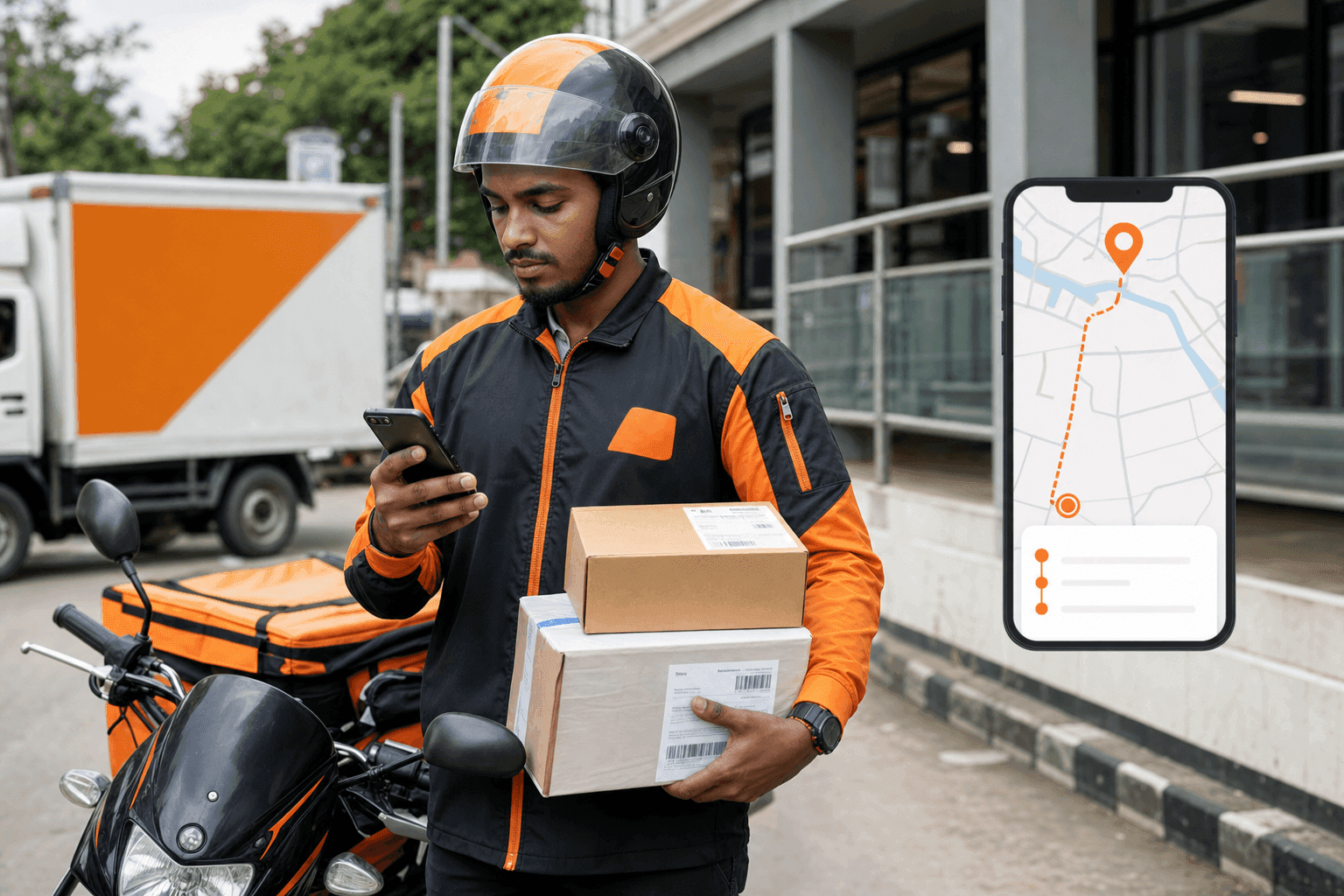
The rate per parcel is not the number that matters
Every comparison between Sri Lankan couriers starts with the delivery rate, and it is close to the least important variable in the decision.
A courier ₨40 cheaper per parcel with a 15% return rate and a 21-day remittance cycle will cost you far more than a slightly dearer partner delivering successfully and paying weekly. The rate is visible; the other costs are not, which is exactly why sellers get this wrong.
The five numbers to actually compare
Ask every courier you are considering for these, and hold them to it after three months:
- Remittance cycle — how many days from delivery until the COD money reaches your account. This is your working capital.
- Return rate — what share of parcels come back undelivered. Every return costs you the outbound cost, the return cost and the restocking time.
- Coverage — genuine islandwide reach versus "we cover it through a partner", which usually means slower and less reliable outside the Western Province.
- Delivery attempts — how many times they try before returning, and whether they call the customer first.
- Integration — whether you can create shipments and pull status programmatically, or whether someone types waybills into a portal every day.
Why the remittance cycle decides how fast you can grow
For a COD business, the remittance cycle is not an accounting detail. It is the constraint on your growth.
If you remit in 7 days you can turn your working capital roughly four times a month. At 21 days you turn it less than a third as often. Same margin, same sales, radically different growth ceiling — and the 21-day courier is usually the one advertising the cheaper rate.
Use more than one courier, deliberately
Most sellers who have been doing this a while end up with two or three courier partners, and not by accident.
One tends to be strongest on price for bulk Western Province volume. One handles outstation more reliably. One is the fast option for urgent or high-value orders where a failed delivery costs more than the extra rupees.
The catch is that multiple couriers multiply the admin — three portals, three remittance statements, three sets of tracking numbers — unless your own system is the place where all of it is recorded.
COD reconciliation done properly
This is where most online sellers quietly lose money, and it is almost always a process failure rather than a courier failure.
The rule is that every shipment must carry the COD amount from its invoice, and every remittance must be settled against specific invoices — not against a running total.
- Orders shipped but not yet delivered.
- Orders delivered but not yet remitted.
- Orders remitted and settled.
- Orders returned, with stock put back and the customer balance corrected.
Reduce returns before you renegotiate rates
Returns are usually a bigger cost than the delivery rate, and a decent share of them are caused on your side, not the courier's.
Confirm the order by call or WhatsApp before dispatch, especially for higher values. Verify the address and phone number at the time of order rather than at the time of dispatch. Set delivery expectations clearly so the customer is expecting the parcel. And be careful about promotional COD orders from new customers with no history — that is where refusal rates concentrate.
Sellers who tighten this typically cut returns by a third, which is worth more than any rate negotiation they were planning.
Make your system the single source of truth
Whichever couriers you pick, the order should be the record — with the waybill, the status, the COD amount and the settlement all attached to it.
That way changing or adding a courier is a configuration decision rather than a rebuild of how you work, and "which parcels have not been paid for?" is a screen rather than an evening with three statements and a calculator.
SellMate integrates with Koombiyo, Domex, Citypak, Pronto, Fardar Express, Royal Express and Trans Express — shipments created from the order, status against the order, and COD settled against the invoice it belongs to.